The rustle of autumn leaves, the chill in the air, the flicker of a carved pumpkin's grin – Halloween ignites a primal fascination within us. But beyond the costumes and candy lies a rich tapestry of folklore, history, and legend. We're talking about the iconic figures that materialize each October, not just as spooky decorations, but as echoes of ancient fears, cautionary tales, and even symbols of celebration. Diving into Famous Halloween Character Lore & Trivia isn't just a walk through a haunted house; it's an exploration of humanity's enduring relationship with the unknown.
These characters are more than just monsters; they are cultural touchstones, evolving through centuries of storytelling, and anchoring our collective imagination. From the shadowy corners of Old World mythology to the glittering screens of modern horror, their stories shape how we embrace the spookiest night of the year.
At a Glance: Decoding Halloween's Iconic Cast
- Ancient Roots: Many beloved Halloween figures, like witches and ghosts, have origins in pre-Christian festivals like Samhain, where the veil between worlds thinned.
- Cultural Fusion: Figures like Dracula and Frankenstein's monster emerged from literary traditions, blending historical anxieties with gothic romance.
- Symbolic Power: Iconic creatures embody universal human fears: death (skeletons, Grim Reaper), the wild unknown (werewolves), or the supernatural (vampires, ghosts).
- Evolving Icons: Characters adapt over time, shifting from purely terrifying to sometimes friendly or even fashionable, influencing everything from Halloween costume ideas to media.
- Global Reach: While some characters are distinctly Western, many cultures have their own variations of spectral beings and monsters that resonate with Halloween's themes.
The Ancestral Echoes: Where Our Spooky Stories Began
Before the first plastic pumpkin pail, before the concept of "trick-or-treat" even existed, people in ancient Europe were already grappling with the mysteries of death, harvest, and the spirits that dwelled in the darkness. Our modern Halloween characters aren't just random inventions; they are deeply rooted in these foundational beliefs, tracing Halloween's intricate history back to festivals like Samhain. This Celtic celebration marked the end of summer, the harvest, and the belief that the boundary between the living and the dead blurred, allowing spirits to cross over. Early costumes and disguises weren't just for fun; they were meant to ward off malevolent entities or even fool them into thinking you were one of their own.
As Christianity spread, these pagan traditions merged with new observances like All Saints' Day (All Hallows), giving us "All Hallows' Eve," which eventually became "Halloween." This melding of old and new gave birth to the enduring archetypes that continue to fascinate and frighten us today.
The Iconic Cast of Halloween: Lore, Legacy, and Lasting Appeal
Let's pull back the curtain on the most famous figures that haunt our imaginations every October.
Dracula: The Original Bloodsucker
No character has cast a longer, more elegant shadow over Halloween than Dracula. This quintessential vampire, brought to literary life by Bram Stoker in his 1897 novel, synthesized centuries of Eastern European folklore about the upiór or likho – undead beings who rose from the grave to prey on the living.
Stoker’s genius lay in imbuing his count with aristocratic charm, a tortured soul, and an undeniable sensuality, setting the standard for all vampires to follow. His inspiration for Dracula's castle was partly Bran Castle in Romania, further cementing the legend's chilling reality. Before Stoker, the vampire was largely a crude, blood-bloated peasant; afterward, he was a sophisticated, immortal villain. Christopher Lee's portrayal for Hammer Studios, in particular, cemented Dracula's image for generations, making him an enduring figure in classic Halloween movies and TV shows.
Frankenstein's Monster: More Than Just a Creature
Often mistakenly called "Frankenstein," Mary Shelley's tragic creation is actually Frankenstein's Monster. Penned in 1818 when Shelley was just 19 (written near Lake Geneva, no less!), her novel Frankenstein; or, The Modern Prometheus delves into the hubris of scientific ambition and the pain of rejection. The creature, reanimated from various body parts, is intelligent, sensitive, and yearns for connection, but his horrifying appearance ensures he is forever an outcast. He is truly a monster made by man, rather than born of ancient evil.
While Shelley never named her creature, his imposing, often blue-skinned image (as depicted in Hotel Transylvania, aligning with the book's description) and the bolts in his neck are instantly recognizable. Boris Karloff’s portrayal in the 1932 film solidified the visual, transforming a literary character into a cinematic icon that still sparks conversations about identity, responsibility, and what it truly means to be human—or monstrous.
The Witch: From Coven to Pop Culture Icon
The Witch is arguably the most versatile and enduring Halloween character, with roots stretching deep into pre-Christian goddess worship, medieval herbalism, and later, the horrifying witch trials of Europe and colonial America. Her image has evolved dramatically:
- Ancient Roots: Early figures were often wise women, healers, or those connected to nature and the arcane. The "ale-wife's cap," a tall hat worn by women who brewed and sold ale, is one theory for the witch's iconic pointed hat.
- Medieval Fear: With the rise of the Church, the witch became demonized, associated with the devil, black magic, and malevolent intent. Black cats, believed to be familiar spirits or even witches in disguise, became her constant companions.
- Pop Culture Transformation: Today, the witch is a spectrum: from the Wicked Witch of the West to the charming Sabrina Spellman (from Greendale, near Riverdale!), to the powerful, often misunderstood figures in modern fantasy. Her broomstick, initially a symbol of domesticity or even pagan fertility rites, became her magical vehicle. The witch costume remains a top Google search worldwide, showcasing her enduring appeal.
Werewolves: Beasts of the Full Moon
The terrifying transformation of a human into a wolf-like beast under the full moon is the essence of the Werewolf. This creature of lycanthropy taps into our primal fear of losing control and the savage nature lurking within us. Werewolf lore is found across cultures, from Norse sagas to Native American legends, often linking the transformation to curses, magic, or even a genetic predisposition.
The full moon's power is central to the werewolf myth, symbolizing uncontrollable instinct. Historically, "werewolfism" was sometimes a way to explain violent acts or unusual mental states. Modern interpretations, from Lon Chaney Jr.'s classic The Wolf Man to more recent takes like Werewolf by Night, explore themes of inner turmoil, redemption, and the constant battle between humanity and monstrousness.
Mummies: Wraps, Curses, and Ancient Fears
The Mummy, a reanimated corpse wrapped in ancient bandages, brings with it the exotic dread of ancient Egypt. The fascination with mummies began in earnest with the discovery of pharaohs' tombs and the subsequent "mummy curses" that allegedly plagued those who disturbed them. This mixture of historical fact (ancient embalming practices) and terrifying fiction (vengeful spirits) proved irresistible.
The slow, shuffling gait and the decaying appearance of the mummy tap into a fear of stagnant death and bodies returning from beyond the grave. Boris Karloff also famously starred as the Mummy in the 1932 film, solidifying his place in the horror pantheon. These characters serve as eerie reminders of ancient civilizations, their secrets, and the power that even the long-dead can wield.
Ghosts & Spirits: Ethereal Echoes
Ghosts and spirits are perhaps the most universal Halloween characters, existing in every culture as the lingering essence of the dead. From benevolent apparitions to terrifying poltergeists, they embody our hopes and fears about the afterlife.
- Ancient Beliefs: Many cultures believe that hearing footsteps with no one there on Halloween signals a nearby ghostly companion, or a candle going out by itself indicates a spirit presence.
- Varieties: We have friendly ghosts like Casper (created by Seymour Reit in 1939), vengeful spirits like the Japanese Yūrei (long-haired female ghosts), and the notorious "Bloody Mary," a party dare supposedly summoning a vengeful ghost if her name is repeated three times.
- Real-World Haunts: Our fascination with ghosts extends to famous haunted places like the Winchester Mystery House, the Stanley Hotel (which inspired Stephen King's The Shining), and the Tower of London, home to Anne Boleyn's ghost. The belief that a ringing bell on Halloween was thought to scare away spirits speaks to the timeless human desire to protect against the unseen. Spooky stories and folklore about the afterlife continue to captivate audiences.
The Headless Horseman: A Galloping Legend
From Washington Irving's 1820 short story "The Legend of Sleepy Hollow" comes the iconic Headless Horseman. This spectral Hessian soldier, whose head was carried away by a cannonball during the Revolutionary War, rides through the night seeking his lost head, particularly terrifying anyone he encounters, most notably the hapless Ichabod Crane.
The Horseman embodies the fear of the sudden, violent unknown and the enduring restlessness of those who died tragically. His image – a dark rider, a flaming pumpkin for a head – is a staple of autumn and Halloween imagery, an American Gothic tale that still thrills, and one that Disney immortalized in "The Adventures of Ichabod and Mr. Toad."
Jack-o'-Lanterns: From Turnips to Terrifying Grins
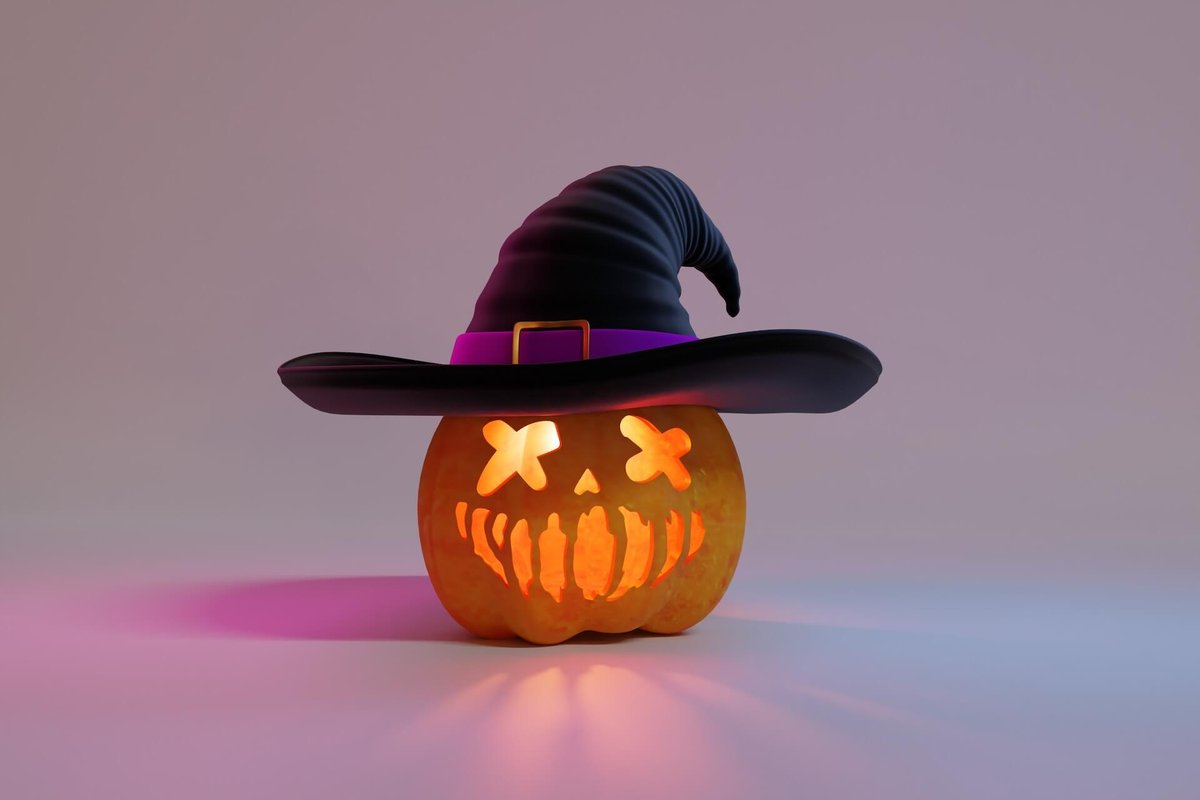
While not a "character" in the traditional sense, the Jack-o'-Lantern is arguably the most universally recognized symbol of Halloween, intrinsically linked to a famous piece of lore. The term itself originally referred to mysterious swamp lights or will-o'-the-wisps, inspired by the folkloric trickster Stingy Jack, an Irishman who outwitted the Devil but was condemned to wander the earth with only a burning coal inside a carved turnip to light his way.
Irish immigrants brought this tradition to America, where abundant pumpkins (Cucurbita pepo), botanically fruits, proved far easier to carve than turnips. The pumpkin's orange hue, courtesy of beta-carotene, also tied it to the harvest, a traditional Halloween color. From simple carved faces to elaborate designs using modern pumpkin-carving kits, the jack-o'-lantern represents both protection from spirits and the mischievous spirit of the holiday. Their glowing eyes and toothy grins are a fundamental part of how we impact Halloween decorations today.
Skeletons & The Grim Reaper: Reminders of Mortality
These stark figures serve as powerful Memento Mori, reminders of our own mortality.
- Skeletons: Decorations featuring skeletons on Halloween harken back to medieval European concepts like the "Dance of Death" (Danse Macabre), where skeletons dance with the living, symbolizing that death comes for all, regardless of status. They are a universal symbol of the body after life, a chilling reminder of what awaits.
- The Grim Reaper: This hooded, scythe-wielding personification of Death is a direct descendant of medieval imagery. The scythe, a tool for harvesting, symbolizes death "reaping" souls. The Grim Reaper is not evil, but rather an inevitable force, making his presence a profound, often unsettling, part of Halloween.
Beyond the Classic Monsters: Modern Icons and New Lore
Halloween's character roster isn't static. New figures emerge from contemporary storytelling, enriching the tapestry of terror and fun.
Horror Film Villains: The New Terrors
Modern cinema has given us a fresh crop of iconic villains who now stand shoulder-to-shoulder with the classics:
- Freddy Krueger: From A Nightmare on Elm Street (1984), this dream-stalking killer with a clawed glove taps into our vulnerability in sleep.
- Michael Myers: The silent, relentless force from the Halloween (1978) franchise, whose terrifying mask was famously a modified William Shatner mask. Kyle Richards, now a "Real Housewife," played Lindsey Wallace in the original film.
- Ghostface: The meta-slasher from Scream (1996), whose anonymous mask and phone calls became instantly recognizable. Drew Barrymore famously modeled her wig in the film after Michelle Pfeiffer's character in Scarface.
- Pennywise the Dancing Clown: Stephen King's shape-shifting entity from It, capitalizing on coulrophobia (fear of clowns) and embodying primal childhood fears in the fictional town of Derry, Maine.
- Pazuzu: The demonic entity possessing Regan in The Exorcist (1973), a film whose character Chris MacNeil was based on Shirley MacLaine.
These characters don't just scare us; they often reflect societal anxieties, making them resonate deeply within our collective consciousness.
Friendly Frights: The Lighter Side of Spooky
Not all Halloween characters are about dread. Some bring a heartwarming or whimsical take on the macabre:
- Casper the Friendly Ghost: A benevolent spirit who only wishes to make friends, a stark contrast to more terrifying specters.
- Jack Skellington: The "Pumpkin King" from Tim Burton's The Nightmare Before Christmas (1993), whose desire to understand Christmas brings charming chaos to Halloween Town. Danny Elfman composed the film's memorable songs and was frontman for Oingo Boingo.
- The Addams Family: This eccentric, morbid, yet loving family (Morticia, Gomez, Wednesday, Pugsley, Uncle Fester, Lurch, and Thing) embraces the macabre with such joyful aplomb that they've become symbols of creepy, kooky, mysterious, and spooky charm.
These characters show that Halloween isn't just about fear; it's also about embracing the unconventional and finding joy in the delightfully dark.
Cryptids & Modern Urban Legends
The world of cryptids – creatures whose existence is unproven – and urban legends add another layer to our modern lore:
- Chupacabra: This "goat-sucker" cryptid from South America feeds on livestock and gained widespread fame in the 1990s, becoming a modern monster legend.
- Resurrection Mary: A famous phantom hitchhiker from Archer Avenue in Illinois, whose tale is a classic example of local urban legend.
- The Slender Man: A more recent internet-spawned creepypasta character, demonstrating how quickly new folklore can spread in the digital age.
These tales speak to our desire for mystery and the enduring power of communal storytelling, even if it's via online forums rather than campfires.
Why These Characters Endure: Psychological Hooks
Why do we keep inviting these spooky figures into our lives each Halloween? It's more than just tradition; it's deeply psychological:
- Catharsis of Fear: Engaging with controlled fear, like watching a horror movie or dressing as a monster, allows us to process anxieties in a safe environment.
- Exploration of the Unknown: These characters represent the mysteries of death, the afterlife, and the limits of human understanding.
- Community and Ritual: Sharing these stories and traditions builds community, creating a shared experience of excitement and connection.
- Playful Subversion: Halloween allows us to subvert norms, embrace the dark, and momentarily step outside our everyday selves.
This deep engagement with Halloween activities and games reflects our inherent human need to confront, understand, and even celebrate the darker facets of existence.
Bringing Lore to Life: Costumes, Candies, and Celebrations
The characters we've discussed don't just exist in stories; they manifest in our celebrations, transforming our world into a vibrant, spooky spectacle.
The Art of Disguise: Costumes and Evolution
Costumes are perhaps the most direct way we embody Halloween lore. Early costumes aimed to scare or disguise from evil spirits, a far cry from today's elaborate ensembles.
- From Simple to Sophisticated: The first mass-produced licensed character costume was Dopey in 1937. Today, advancements like 3D printing have revolutionized costume props, allowing for incredible detail and complexity.
- Trends and Innovation: From the "sexy costume" boom of the 1990s to environmentally friendly choices like teal-painted pumpkins for food-allergy safe treats, costumes reflect cultural shifts. The record for most dogs in costume at an event (over 1,300!) shows how inclusive the tradition has become. Even simple things like mesh or plastic screens replacing glass lenses in monster masks have improved eye safety.
Treats and Traditions: The Sweet Side of Spooky
While the characters might be dark, the tradition of trick-or-treating is undeniably sweet. This practice has its own rich lore, evolving from medieval "souling," where the poor begged for "soul cakes" in exchange for prayers for the dead, a custom that gained traction in America in the 1930s to curb pranking. In Scotland, children engage in "guising," performing jokes or songs for treats.
- Candy Culture: Our favorite Halloween candy and treats also carry their own stories. Reese’s Peanut Butter Cups are consistently the most popular, while Circus Peanuts, introduced in 1912, are notorious for low popularity. Candy corn, originally called "Chicken Feed," has been a staple since the 1880s due to the popularity of nature-inspired candies. The fears of razor blades in treats in the 1970s and 80s, though largely unsubstantiated, even led to hospitals offering X-ray scanning of candy. The "Switch Witch" tradition offers a fun way for parents to manage excess sugar. Favorite Halloween candy and treats are an integral part of the experience.
Haunted Places: Where the Legends Roam
Beyond individual characters, certain locations become characters themselves, steeped in folklore and alleged paranormal activity. Places like Eastern State Penitentiary, Edinburgh Castle (with its "lady in green" and headless drummer), and St. Louis Cemetery No. 1 in New Orleans with its voodoo lore, serve as real-world backdrops for the spooky stories we cherish. These locations blur the lines between history and legend, inviting us to imagine the very characters we've discussed walking their hallowed halls.
Understanding the Global Tapestry of Frights
While our focus has been primarily on Western Halloween characters, it's vital to acknowledge that similar celebrations and figures exist worldwide. Mexico's Día de los Muertos, with its vibrant sugar skulls and honored ancestors, offers a different, yet equally profound, perspective on remembering the dead. Japan's Obon festival and China's "Hungry Ghost Festival" also honor ancestral spirits. These global traditions underscore a universal human impulse to connect with the spirit world and confront mortality, albeit with diverse rituals and characters.
Dive Deeper into the Darkness
The world of Halloween characters is vast, constantly evolving, and deeply intertwined with human history, psychology, and culture. Each October, these figures invite us to confront our fears, celebrate the mysterious, and connect with traditions spanning millennia. Understanding their origins, their lore, and their enduring appeal enriches our experience of this beloved holiday, turning every costume, every flickering jack-o'-lantern, and every ghost story into a portal to a deeper, more meaningful engagement with the unknown.
Ready to uncover more secrets of the spooky season? Explore all Halloween characters and their fascinating backstories.